
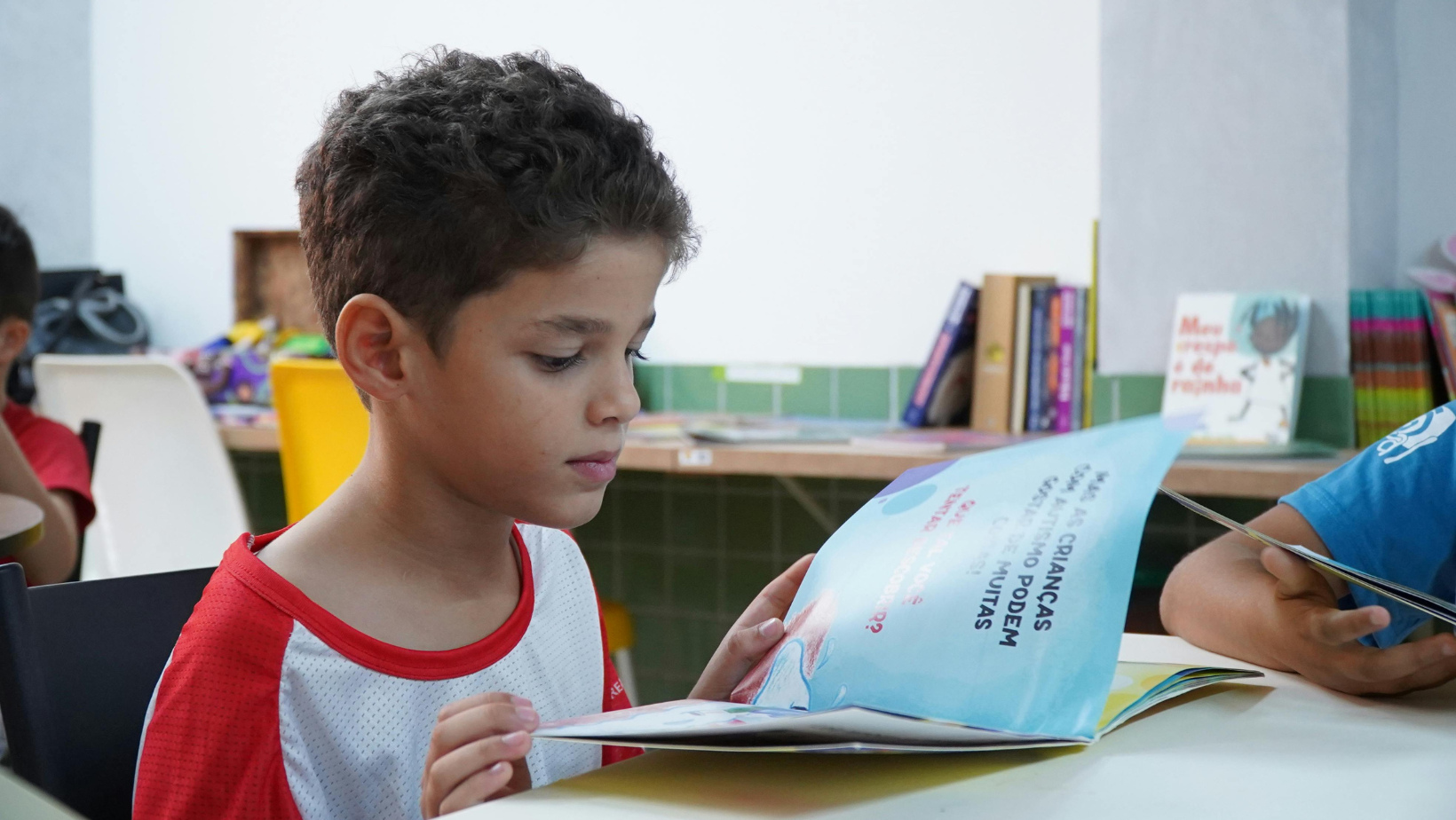
Behind in Reading?
Every year, I talk with parents who express concern. They’ve noticed that something feels off during homework or read-aloud. Reading seems slower, words are skipped or guessed, and frustration often arises.
Initially, it’s normal to think the child needs more practice or patience. But when challenges persist, parents wonder if a deeper issue exists. Each child develops reading skills at their own pace, and delays don’t always signal long-term problems.
It’s important to watch for ongoing difficulties. Early parental support when a child struggles with reading can preserve confidence and momentum, reducing frustration and increasing the likelihood of future success.
Here are seven important warning signs that Charlotte parents should pay close attention to…
1. Persistent Avoidance or Emotional Reactions to Reading
One of the first signs that a child might be struggling with reading is behavioral rather than academic. A child who frequently resists reading, delays homework, or gets emotional during reading tasks is often indicating that the experience is overwhelming. Avoidance is seldom due to laziness; instead, it more commonly shows discomfort or embarrassment when reading feels much more difficult than expected.
Over time, resistance may intensify, homework lasts longer, and tears or shutdown behaviors increase. A child who once enjoyed stories might suddenly dislike books. When reading causes stress, it indicates that underlying skills might be lacking.

2. Guessing at Words Instead of Decoding Them
Frequent word guessing indicates reading difficulties. Instead of sounding out words, children may substitute similar-looking words or guess based on initial letters and context. For instance, they might read “horse” as “house” or replace unfamiliar words with partial sense within the sentence.
While guessing might sometimes go unnoticed, it actually indicates a difficulty in decoding skills. Skilled readers naturally recognize familiar letter-sound patterns and blend sounds with ease. When decoding becomes inconsistent, children often resort to guessing, which can cause confusion and make understanding more difficult. This tendency is often seen in children showing signs of dyslexia, especially when guessing continues even after repeated practice.
3. Difficulty With Sound Awareness and Word Breakdown
Reading starts with the ability to hear and work with sounds in speech. This essential skill, called phonological awareness, enables children to break words into smaller sound units and reassemble them. When a child has difficulty recognizing individual sounds, rhymes, or breaking words into syllables, learning to read is significantly harder.
These sound-based weaknesses may appear early but can stay subtle without assessment. A child might memorize words but struggle with new ones. Without sound awareness, reading becomes memorization rather than understanding. This fragile foundation slows progress and causes frustration.

4. Slow, Labored, or Choppy Oral Reading
Some children seem to read correctly, but the process demands considerable effort. Their reading sounds mechanical and slow, often pausing to decode words. Expression is limited because they focus almost entirely on word recognition rather than grasping the meaning of the text.
When reading becomes labor-intensive beyond the early stages, comprehension often suffers. A child may understand stories when read aloud, but may struggle to read on their own. This suggests thinking skills are intact, but reading mechanics interfere. In such cases, targeted reading intervention in Charlotte, focusing on fluency and decoding, can reduce cognitive load.
5. Ongoing Spelling Difficulties That Do Not Improve With Practice
Spelling and reading are closely linked. Weak decoding skills lead to inconsistent spelling, with children spelling words differently within a single paragraph or omitting sounds. Vowel patterns often confuse children, making common words unpredictable.
While occasional spelling errors are normal during development, ongoing inconsistency may indicate a skill gap rather than negligence. Often, poor spelling, along with decoding difficulties, can be clearer signs of dyslexia. Since reading and spelling rely on the same fundamental system, enhancing one typically benefits the other if instruction is systematic and well-structured.

6. Difficulty Retaining Common Sight Words
High-frequency words are expected to become automatic over time. However, when a child repeatedly forgets words that have been practiced extensively, it often indicates that memorization is replacing understanding. Without strong decoding skills, storing words efficiently in long-term memory becomes more difficult.
Parents might feel like each reading session resets to the beginning. This repetitive cycle can be discouraging for both the child and the family. Instead of relying solely on repetition, it is often more beneficial to focus on strengthening the core skills that help children recognize and remember words more easily.
7. Declining Academic Confidence
Perhaps the most concerning warning sign is a noticeable shift in confidence. Children who struggle with reading frequently internalize the difficulty. They may become hesitant to participate in class, withdraw socially, or develop negative beliefs about their intelligence. School may begin to feel intimidating rather than engaging.
Since reading influences almost every academic subject, persistent difficulties can have a ripple effect throughout the school day. When confidence declines, motivation tends to decrease as well. Therefore, early intervention is crucial not only for building skills but also for supporting emotional health. Safeguarding a child’s confidence is equally important as improving decoding and fluency.

Why Early Action Makes a Difference
Reading builds year after year. When foundational gaps are not addressed early, they do not stay small; they widen as expectations increase. By third and fourth grade, students are expected to read independently across subjects, and unresolved reading difficulties can begin to affect overall academic performance and confidence.
Waiting and hoping a child will simply catch up often leads to more frustration. In contrast, structured and individualized reading intervention can accelerate progress quickly when it targets the root cause of the struggle. When instruction is precise and systematic, children gain traction faster and begin to rebuild both skill and self-belief.
At Swan Learning Center, we help Charlotte families identify reading difficulties and create personalized plans to strengthen skills. If you notice these signs, act quickly to change the trajectory. Contact us for a consultation!